

Law School Articles
Consent That Was Never Asked: India's Public Data Exemption In Age Of Foundation Models
In July 2026, Meta briefly rolled out Muse Image, an AI tool that let anyone generate images of a person built from that person's own public Instagram photos, without asking first. Every public account was opted in by default, and the opt-out was buried deep enough that most people never found it before the feature was pulled three days later. It's a small, self-contained episode, but it's a useful stand-in for a larger assumption: that once your data is public, using it for something else,...

Performative Authenticity: Synchronizing Visual Greenwashing And Unrecognized Eco Labels Under Consumer Protection Law
The axiom of corporate sustainability marketing for decades has been to wrap a product in a brown recycling paper, then splashing a sticker of a leaf or a smiling planet on the front, and advertising it in an earthy and green tone. This has now become a business tactic called “performative authenticity”, or the deliberate coordination of visual 'green' claims with unapparent and unacknowledged eco-labels to appear as an authentic environmental steward. This is a clever way for companies to take...
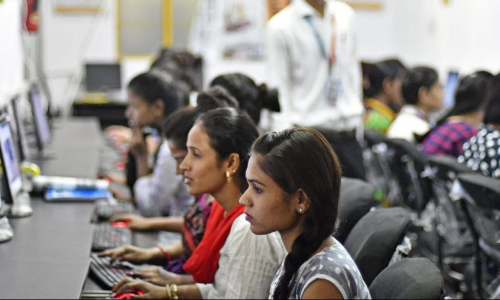
Employment Bonds & The Scope Of Section 27 Indian Contract Act
The Supreme Court of India's interpretation of the validity of an employment bond between the employer and the employee has faced some obstacles, especially regarding public policy and the duration of the employment contract. The bond between an employer and an employee does not always end when the employee resigns or leaves the employment. There are instances where employment contracts contain clauses that prevent an employee from joining a competitor, soliciting clients, or leaving before...

Acceptance Of Foreign Divorce Decrees And Judicial Approach Of Indian Courts
The increasing mobility of individuals across national borders has transformed family law into one of the most dynamic areas of private international law. The significant rise in cross-border marriages involving foreign nationals, Overseas Citizens of India (OCIs), and Non-Resident Indians (NRIs) has inevitably led to an increase in matrimonial disputes spanning multiple jurisdictions. Whether a divorce order issued by a foreign court should be recognised by Indian courts is one of the most...

Beyond Breathalyzer: 5 Surprising Lessons From Indian Courts On Alcohol And Insurance Claims
For the average vehicle owner, the “influence of intoxicating liquor” clause is a standard, yet often misunderstood, fixture in insurance contracts. Most policyholders operate under the simplistic assumption that if a driver is not apprehended by the police with a breathalyzer reading exceeding the statutory limit, an insurance claim is essentially “bulletproof.” However, recent jurisprudence from the Supreme Court and various High Courts reveals a far more complex reality. The intersection of...
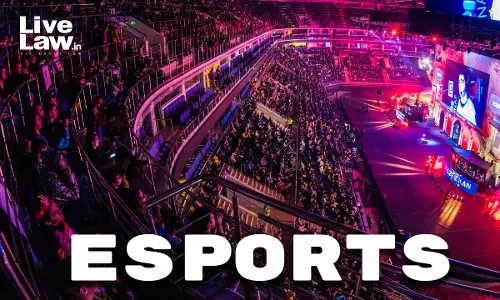
Who Owns the Play? Performers' Rights, Publisher Copyright, And Unresolved Tension In India's Esports Law
India recognised esports as sport under Promotion and Regulation of Online Gaming Act, 2025 which came into force on 1st May 2026. Subsequently, in State of Tamil Nadu v. Junglee Games India Pvt. Ltd., 2026 the Supreme Court held that wagering on any game renders the activity res extra commercium leaving e-sports without monetary staking constitutionally untouched but unprotected under the Copyright Act. Yet the professional esports player lacks meaningful protection over their competitive...
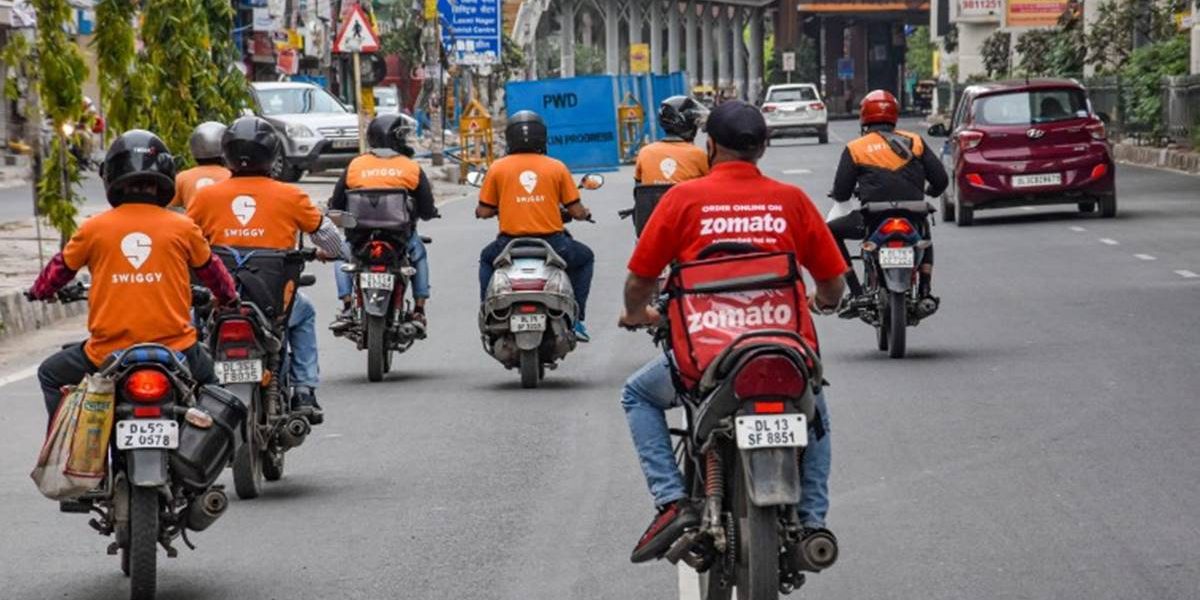
Algorithmic Deactivation, Article 14 And Karnataka Gig Worker Litigation
The IssueOn 29th June 2026, IAMAI and several major platform companies, including Swiggy, Zepto, Eternal Ltd. (which operates Zomato and Blinkit) and Urban Company, filed a writ petition before the Karnataka High Court. The petition seeks to declare the Karnataka Platform-Based Gig Workers (Social Security and Welfare) Act, its Rules, related notifications and enforcement notices unconstitutional and liable to be quashed[1]. Among the notices the petition asks the Court to quash is one dated...
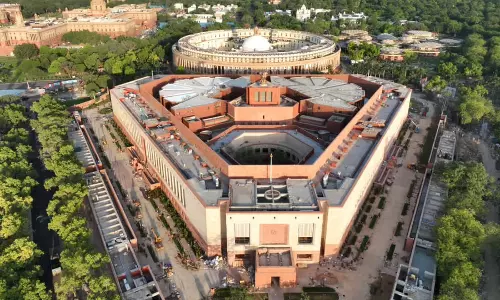
Custodial Turn In India's Foreign Contribution Regulation Amendment, 2026
The Foreign Contribution (Regulation) Amendment Bill, 2026, (“2026 Amendment”) was introduced in Lok Sabha on 25 March 2026, which marked an overhaul of the regime put in place under the Foreign Contribution (Regulation) Act, 2010 (“Parent Act”).While the 2020 amendment dealt with the conditions of allowing and spending foreign contribution, the 2026 Amendment deals with what happens to the assets of the concerned entity once the registration is cancelled or surrendered or is deemed to have...
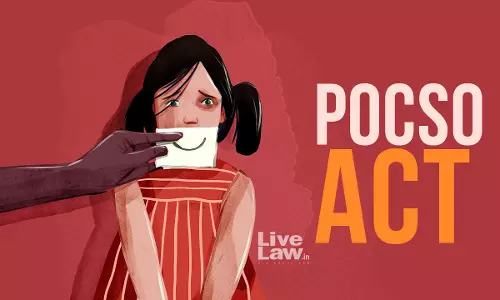
Linda Sema Ruling: Closing One POCSO Reporting Loophole, Opening Another?
An appeal was raised in front of the Supreme Court of India by the mother of a 7-year-old girl who was assaulted at school against the discharge of the headmistress. The said headmistress had firsthand knowledge about the offence but conducted a private investigation along with the school staff, amounting to nothing, and allegedly decided to suppress the information. The Supreme Court of India, in its judgment dated July 9, 2026 (AAA v. Linda Sema & Ors., SLP (Criminal) No. 4772 of 2024),...
When Private Power Becomes Public: Rethinking Horizontal Rights In India
For a long time, the Indian Constitution has been understood as a safeguard against the misuse of State power. The idea was simple: fundamental rights exist to protect individuals from arbitrary action by the government. As a result, constitutional remedies have traditionally been available only when the State, or an authority falling within Article 12 of the Constitution, violated these rights. However, the nature of power has changed significantly over the years. Today, many decisions that...
Beyond Celebrities: Can Ordinary Citizens Claim Personality Rights?
Imagine a morning you wake up and find out your face is starring in a viral AI–generated advertisement for a product you never heard of, or a frantic call from your parents because a cloned version of you practically begged them for money over WhatsApp. For thousands of ordinary citizens like us, it is not a digital identity crisis but a reality. The new type of risk has emerged as a result of the development of generative AI, deepfakes, face-changing apps and social media culture.This issue...
Supreme Court Rescues Arbitration Limitation Clock From Maintainability Trap
A Procedural Nightmare Finally Laid to RestAsk any arbitration practitioner who has managed a post-award correction under Section 33 of the Arbitration and Conciliation Act, 1996, and they will describe the same dilemma. A Section 33 application has been filed. The tribunal is considering it. Limitation under Section 34(3) is ticking. Does the party wait for the tribunal to dispose of the application, or does it simultaneously file a Section 34(1) petition in court, purely as a safeguard against...