


- Home
- /
- News Updates
- /
- Gujarat Becomes Second State To...
Gujarat Becomes Second State To Pass Law On Uniform Civil Code
LIVELAW NEWS NETWORK
25 March 2026 10:20 AM IST
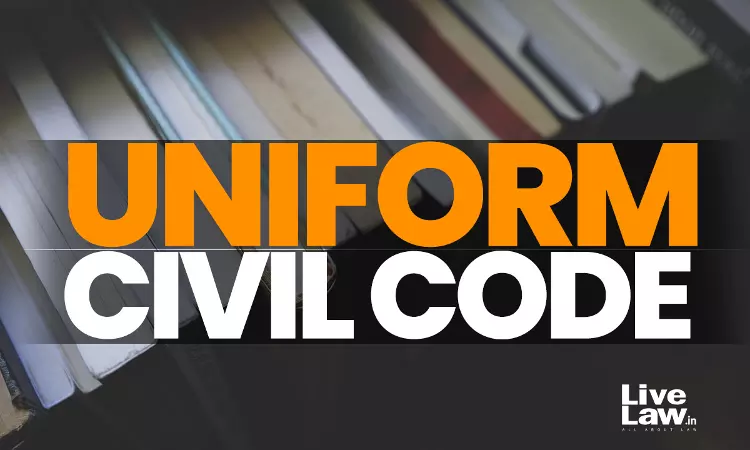
The Gujarat Assembly passed the Uniform Civil Code (UCC) Bill with a majority voice vote after a marathon debate lasting over seven hours yesterday. The bill proposes a common legal framework to govern marriage, divorce, succession, and live-in relationships, irrespective of religion.The bill was tabled after a state-appointed panel submitted its final report on the implementation of the...
This is a premium content
Available exclusively to
Our subscribers
Subscribe Premium 
INR 1099+GST
Your support helps us to bring you more content at
an affordable subscription scheme !!!
All payment options available
The Gujarat Assembly passed the Uniform Civil Code (UCC) Bill with a majority voice vote after a marathon debate lasting over seven hours yesterday. The bill proposes a common legal framework to govern marriage, divorce, succession, and live-in relationships, irrespective of religion.The bill was tabled after a state-appointed panel submitted its final report on the implementation of the UCC.
With the passage of the bill, Gujarat becomes the second state in the country, after Uttarakhand, to adopt the UCC. Uttarakhand was the first state to pass a UCC Bill in February 2024.
Titled the 'Gujarat Uniform Civil Code, 2026,' the proposed law will apply throughout the state and to residents of Gujarat living outside its territorial limits. However, the bill specifies that the code will not apply to members of Scheduled Tribes (ST) and certain groups whose customary rights are protected under the Constitution.
The “Objects and Reasons” of the bill state that the code aims to create a uniform legal framework. Among its provisions, the bill includes registration of live-in relationships and formal processes for their termination. Additionally, it prohibits bigamy, stating that an individual cannot enter into a second marriage while their spouse is still alive. A marriage will be considered valid under the code only if neither party has a living spouse at the time of marriage.